In the heart of Punjab, Pakistan, where the bustling city of Gujranwala meets the quieter rhythms of rural life, lies the small but significant town of Kalaske Cheema. Situated in Wazirabad Tehsil, approximately 15 kilometers west of Gujranwala City and about 90 kilometers northwest of Lahore, this town is home to a population of around 15,599 people. While the town itself is modest, it holds a place of distinct importance for the surrounding communities, primarily due to institutions like Jamia Tehfeez ul Islam Kalaske. As a center for Quranic memorization and Islamic education, this institution plays a vital role in shaping the spiritual and academic lives of the youth in the region, contributing to the preservation of a rich scholarly heritage.
The Tradition of Madrasa Education in Pakistan
For those outside the immediate locality, understanding the significance of Jamia Tehfeez ul Islam Kalaske requires a broader look at the tradition of madrasa education in Pakistan. These institutions, known as madaris, have long been the custodians of Islamic scholarly heritage. They serve a dual purpose: providing free, quality education to students who might otherwise lack access, and preserving the tradition of Tehfeez — the complete memorization of the Holy Quran. In a country where the literacy rate remains a challenge, madrasas like Jamia Tehfeez ul Islam Kalaske play a crucial role by offering a structured, values-based education that combines religious instruction with foundational academics. The impact of such institutions extends beyond the classroom, shaping the moral and ethical character of the next generation of Muslim leaders and scholars.
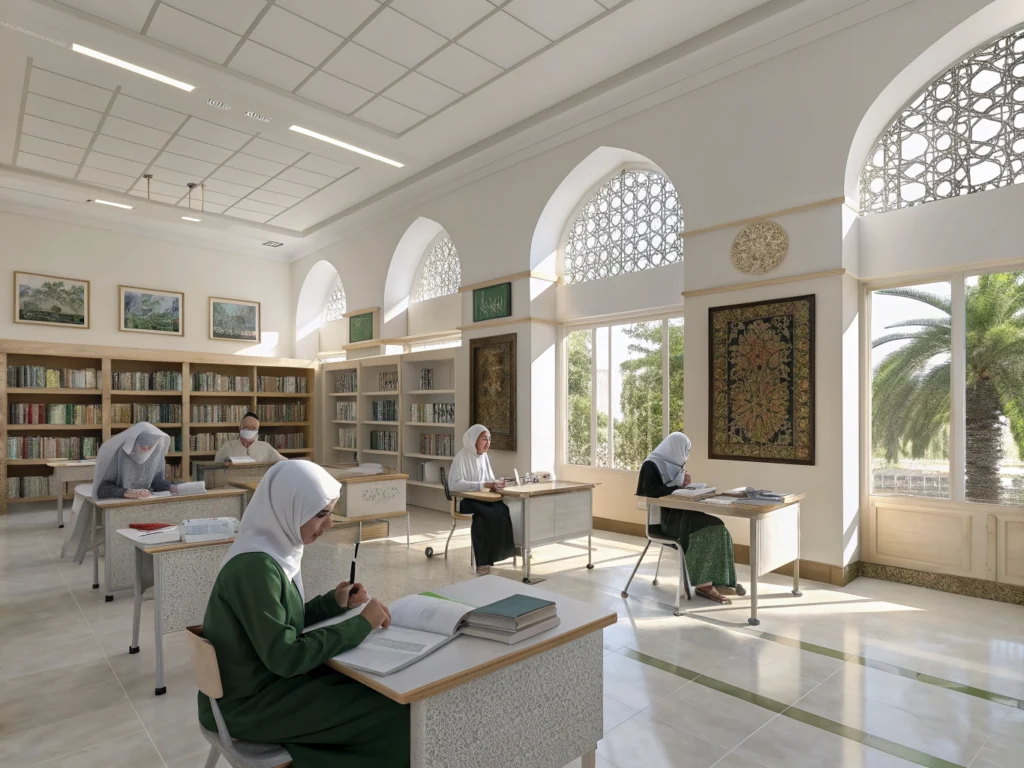
The Discipline of Tehfeez and Hifz
The concept of Tehfeez, central to the mission of Jamia Tehfeez ul Islam Kalaske, is a profoundly dedicated discipline. It involves the student, known as a Hafiz, committing the entire Quran to memory with precise pronunciation (Tajweed) and understanding. This is not merely an academic exercise; it is a spiritual journey that requires immense discipline, patience, and devotion. Institutions like this one provide the environment and guidance necessary for this endeavor. They offer programs that typically begin with Nazra (reading the Quran fluently) and progress to Hifz (memorization), ensuring students build a strong foundation before undertaking the monumental task of memorization. Many modern madrasas have also begun incorporating contemporary subjects like English and Mathematics, recognizing the need for students to excel in both religious and worldly arenas.
A Community Hub and Symbol of Faith
Jamia Tehfeez ul Islam Kalaske is more than just a school; it is a community hub and a symbol of Islamic identity for the residents of Kalaske Cheema and its neighboring villages. The town, surrounded by communities such as Chak Sada, Derveshkey, and Ahmed Nagar Chatha, is a place where traditional values meet the demands of the modern world. The institution serves as a focal point for religious activities, providing a space for daily prayers, community gatherings, and the celebration of Islamic festivals. Its presence reinforces the town’s cultural and spiritual fabric, offering a sanctuary of learning and piety in the heart of Punjab.
A Promise of Moral and Spiritual Education
For parents in the region, Jamia Tehfeez ul Islam Kalaske represents a promise of moral and spiritual education. The focus is not solely on rote memorization but on instilling the values of compassion, honesty, and devotion that the Quran teaches. The teachers, often Hafiz themselves, serve as mentors and role models, guiding their students through both academic and personal challenges. The disciplined environment of the madrasa is designed to foster a sense of responsibility and self-respect, equipping students to become productive and ethical members of society. This holistic approach to education is what distinguishes Tehfeez institutions from purely secular schools.
Accessible and Rooted in Local Culture
The location of Jamia Tehfeez ul Islam Kalaske in the Wazirabad Tehsil also speaks to its accessibility. The town is well-connected via the Alipur Chattha road, making it reachable for families from Gujranwala and other nearby areas. This geographical advantage allows the institution to draw students from a wider catchment area, enriching its community with diverse perspectives while maintaining a strong local identity. The institution’s roots in Kalaske Cheema anchor it in the local culture, ensuring that its teachings are relevant to the specific needs and traditions of the Punjabi community it serves.
Conclusion: A Steadfast Beacon
In conclusion, Jamia Tehfeez ul Islam Kalaske stands as a testament to the enduring importance of religious education in Pakistan. It is a place where the timeless words of the Quran are preserved and passed down to future generations, and where young minds are shaped by the principles of faith and discipline. For the people of Kalaske Cheema, it is not just an educational institution but a source of pride and a cornerstone of their community’s spiritual life. As the town continues to grow and evolve, the Jamia remains a steadfast beacon, guiding its students toward a path of knowledge, righteousness, and peace.